fpmomtips parental guide by famousparenting: Essential Strategies for Modern Parenting
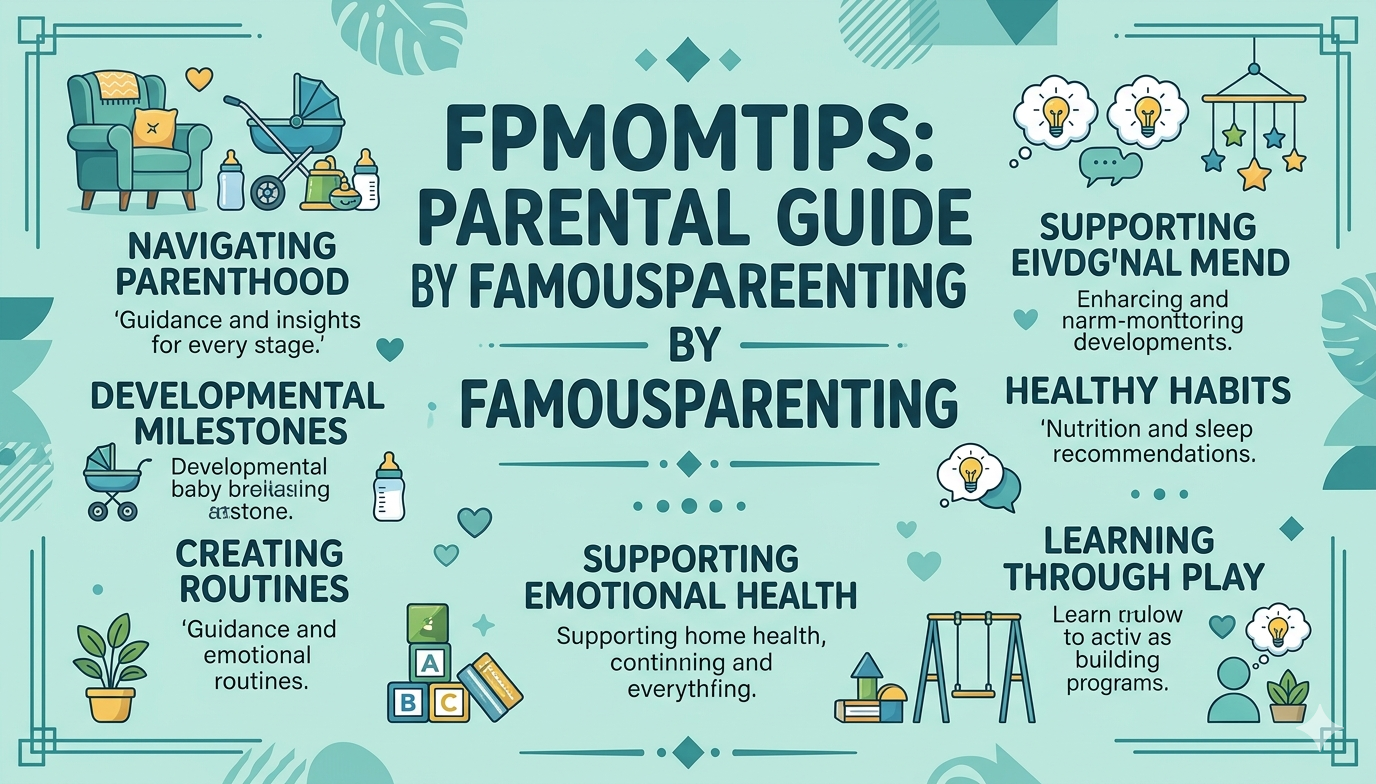
fpmomtips parental guide by famousparenting provides an invaluable resource for parents navigating the complexities of modern child-rearing. With the ever-evolving challenges of parenting in the digital age, having a reliable framework can help families build stronger bonds, promote healthy development, and instill essential life skills in children.
Parenting has never been a simple endeavor. From the sleepless nights of infancy to the turbulent teenage years, parents are constantly seeking strategies that balance discipline, education, and emotional growth. The growing body of research in child development, combined with real-life parental experiences, has created a landscape rich with insights that every parent can leverage. In this article, we delve deep into these insights, exploring practical approaches, evidence-based techniques, and innovative solutions for modern parenting.
Understanding the Role of a Modern Parent
Modern parenting is a blend of traditional wisdom and contemporary insights. The expectations placed on parents today differ significantly from those of previous generations. While previous generations might have prioritized obedience and structure, today’s parents are encouraged to focus on empathy, communication, and fostering independence.
This shift requires parents to adapt to various roles—mentor, advocate, listener, and guide. The key lies in understanding the individual needs of each child while simultaneously creating a nurturing environment that supports their physical, emotional, and intellectual growth. fpmomtips parental guide by famousparenting emphasizes the importance of these multifaceted roles, offering practical advice on how to excel in each.
Early Childhood Development: Foundations for Lifelong Learning
The early years of a child’s life are crucial for brain development, social skills, and emotional regulation. Research has shown that children’s experiences from birth to age five significantly influence their cognitive and social growth. Engaging with children through conversation, play, and exploration lays the foundation for lifelong learning.
Parents are encouraged to create stimulating environments where curiosity is nurtured. Simple activities like reading aloud, introducing music, and interactive play can strengthen neural connections and foster language skills. fpmomtips parental guide by famousparenting highlights that consistent engagement, even in small daily interactions, significantly impacts a child’s future academic and social abilities.
Equally important is recognizing the importance of emotional support. Children who feel secure and valued are more likely to develop resilience and a positive self-image. Effective parenting strategies include acknowledging emotions, providing comfort, and encouraging problem-solving skills from an early age. endbugflow, Feed by way, connecting to wifi, viral manners, networth.
Effective Communication: Building Strong Parent-Child Relationships
Communication forms the cornerstone of healthy relationships. Developing strong communication skills allows parents to understand their children’s needs, encourage self-expression, and address conflicts constructively. Open dialogue fosters trust, which is essential for navigating complex emotional landscapes as children grow.
Techniques such as active listening, reflective feedback, and empathetic responses are recommended. Rather than immediately correcting behavior, parents can ask questions that help children articulate their thoughts and feelings. fpmomtips parental guide by famousparenting stresses that these practices not only improve immediate interactions but also equip children with lifelong communication skills.
Moreover, consistent family routines, like shared meals and family discussions, strengthen bonds and provide a safe space for children to express themselves. In a world dominated by digital distractions, prioritizing quality time and attentive listening ensures children feel heard and understood.
Setting Boundaries: The Art of Discipline Without Harshness
Discipline is often misunderstood as punishment, but in reality, it is about teaching responsibility, self-control, and empathy. Effective discipline establishes clear expectations while promoting understanding and growth. cwbiancavoyage, decoratoradvice, programgeeks, Stonecap3.0.34 Software, magazinoor
Parents are encouraged to adopt a balanced approach, combining structure with flexibility. Techniques like positive reinforcement, natural consequences, and collaborative problem-solving are more effective than punitive measures. For instance, if a child forgets to complete a task, rather than punishing, parents can guide them to understand the consequences and encourage solutions.
fpmomtips parental guide by famousparenting underscores the importance of consistency. Children thrive when they know the boundaries, yet the approach must remain fair and empathetic. This dual focus of structure and compassion helps children develop self-discipline without fear or resentment.

Encouraging Independence and Responsibility
Promoting independence is critical in preparing children for adult life. Children who learn to manage responsibilities and make decisions develop confidence and problem-solving skills. From early age chores to academic assignments, gradually increasing responsibilities fosters self-reliance.
Parents can guide without micromanaging, offering support while allowing children to experience the natural outcomes of their actions. fpmomtips parental guide by famousparenting explains that empowering children to make choices—even minor ones—enhances their sense of agency and prepares them to face challenges effectively.
Additionally, modeling responsible behavior is essential. Children often emulate their parents’ actions, making it crucial for caregivers to demonstrate accountability, time management, and ethical decision-making in daily life. These lessons, absorbed through observation and practice, have long-lasting effects on a child’s character and values. parental guide fpmomtips
Nurturing Emotional Intelligence
Emotional intelligence (EI) has emerged as a vital component of overall success and well-being. Developing EI involves recognizing, understanding, and managing emotions in oneself and others. Children with high emotional intelligence tend to form healthier relationships, cope better with stress, and demonstrate empathy toward peers.
Parents play a critical role in fostering emotional intelligence. Techniques include validating feelings, encouraging reflection, and teaching coping strategies. For example, when a child experiences frustration, instead of dismissing it, parents can guide them to articulate their emotions and identify constructive responses. fpmomtips parental guide by famousparenting provides actionable strategies to integrate EI development into everyday routines, from conflict resolution exercises to collaborative problem-solving tasks.
Encouraging empathy and perspective-taking also helps children navigate social dynamics effectively. Role-playing, storytelling, and discussions about moral dilemmas can expand their understanding of others’ feelings and perspectives.
Leveraging Technology Responsibly
In the United States and globally, children are exposed to digital devices from an early age. While technology can be a powerful educational and creative tool, overexposure or misuse can negatively impact development. Parents must balance access to technology with traditional play and social interaction.
fpmomtips parental guide by famousparenting offers guidance on establishing healthy tech habits. This includes setting screen time limits, monitoring online content, and encouraging activities that promote creativity and critical thinking. Parents can also engage with children through educational apps and collaborative digital projects, transforming screen time into meaningful learning experiences.
Importantly, digital literacy involves teaching children about online safety, responsible behavior, and the long-term consequences of their digital footprint. These lessons empower children to navigate the online world safely and thoughtfully.
Supporting Academic Growth
Education is more than formal schooling; it encompasses curiosity, exploration, and critical thinking. Parents play an essential role in supporting their child’s academic journey. Creating an environment conducive to learning, encouraging intellectual exploration, and fostering a growth mindset are central strategies.
fpmomtips parental guide by famousparenting emphasizes that parental involvement directly correlates with academic success. Simple practices, such as establishing a dedicated study space, setting realistic goals, and celebrating achievements, reinforce motivation and engagement.
Beyond academics, promoting extracurricular involvement helps children discover talents, build teamwork skills, and develop a sense of accomplishment. Balancing structured activities with free play ensures children experience holistic growth.
Health and Wellness: Building Lifelong Habits
Physical health is intimately connected to emotional and cognitive development. Parents can instill lifelong healthy habits by modeling balanced nutrition, regular physical activity, and proper sleep hygiene. Children who understand the importance of self-care tend to maintain healthier lifestyles as adults.
fpmomtips parental guide by famousparenting suggests that involving children in meal preparation, physical activities, and wellness routines enhances their engagement and understanding. Moreover, discussing the reasons behind these habits helps children internalize their importance rather than following them blindly.
Mental health is equally critical. Encouraging open dialogue about feelings, stress management, and mindfulness creates resilience. When children learn to acknowledge and regulate emotions early, they are better equipped to handle challenges throughout life.
Fostering Creativity and Imagination
Creativity and imagination are central to problem-solving, innovation, and emotional expression. Encouraging children to explore artistic, musical, and literary pursuits nurtures their imagination and cognitive flexibility.
Parents can provide diverse materials, offer encouragement, and avoid overly rigid expectations that stifle creativity. fpmomtips parental guide by famousparenting emphasizes that the process of creation is more valuable than the final product. This approach fosters curiosity, experimentation, and confidence in expressing ideas.
Collaborative creative activities also strengthen familial bonds. Projects such as storytelling sessions, art workshops, or simple home performances provide shared experiences that are both enriching and enjoyable.
Cultivating Social Skills and Peer Relationships
Healthy social relationships are essential for personal and emotional development. Parents can support children in developing social skills such as empathy, cooperation, and conflict resolution. Role modeling, guided practice, and constructive feedback all play a part in fostering these skills.
Participation in group activities, team sports, or community programs helps children understand group dynamics and develop friendships. fpmomtips parental guide by famousparenting provides strategies for helping children navigate social challenges, including managing disagreements, responding to peer pressure, and building inclusive relationships.
Additionally, teaching respect for diversity and encouraging understanding of different perspectives prepares children to thrive in a multicultural world. Social competence acquired early in life has a long-term impact on career success, relationships, and overall well-being.
Encouraging Lifelong Learning and Curiosity
Parenting does not end with formal education; it is about fostering a lifelong love of learning. Curiosity drives innovation, adaptability, and problem-solving. Parents who model curiosity and engage in learning alongside their children instill a mindset that embraces growth and exploration.
fpmomtips parental guide by famousparenting highlights techniques such as exploring nature, experimenting with science projects, reading diverse literature, and asking thought-provoking questions. These activities encourage children to explore, question, and seek knowledge independently.
Cultivating curiosity also involves resilience. Children must learn that mistakes are a natural part of the learning process and that persistence leads to mastery. This mindset prepares them for challenges in adulthood and fosters confidence in their abilities.
Parental Self-Care: Strengthening the Foundation
An often-overlooked aspect of parenting is the well-being of the parent. Children benefit from caregivers who are emotionally balanced, physically healthy, and mentally resilient. fpmomtips parental guide by famousparenting underscores the importance of self-care, including managing stress, maintaining social connections, and seeking support when necessary.
Effective self-care strategies include setting boundaries, prioritizing personal time, and practicing mindfulness or meditation. Parents who model these behaviors teach children the importance of balance and self-respect. Supporting parents ultimately strengthens the entire family unit, creating a healthier, more nurturing environment for children.

Conclusion
Parenting is a journey filled with joy, challenges, and constant learning. By embracing the principles outlined in fpmomtips parental guide by famousparenting, parents can navigate the complexities of child-rearing with confidence and clarity. From early childhood development to fostering independence, emotional intelligence, and lifelong learning, these strategies provide a comprehensive roadmap for nurturing well-rounded, resilient, and happy children.
The key to successful parenting lies not in perfection but in consistent effort, empathy, and adaptability. Modern parents must balance multiple roles while responding to the unique needs of each child. By prioritizing communication, setting boundaries, encouraging curiosity, and maintaining their own well-being, parents lay a foundation for their children’s long-term growth and happiness.
In the United States and beyond, these parenting strategies are shaping the next generation of thoughtful, capable, and emotionally intelligent individuals. fpmomtips parental guide by famousparenting serves as an indispensable companion for parents committed to fostering an environment of love, support, and lifelong learning.