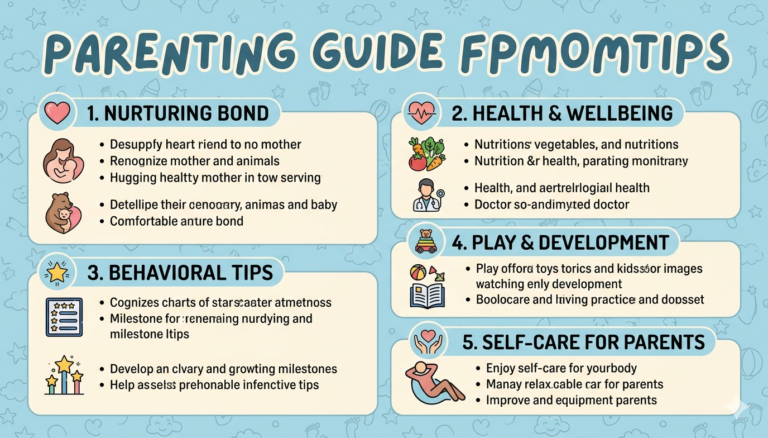
Parental Guide FPMOMTips: Essential Strategies for Modern Parenting Success
In today’s fast-paced society, raising children comes with a unique set of challenges that require thoughtful guidance and practical strategies. Parental guide fpmomtips has emerged as a crucial resource for parents striving to provide balanced, informed, and compassionate support to their children. Families across the globe, including in the United States, are seeking ways to combine traditional parenting values with modern approaches to child development.
The dynamics of parenting have shifted significantly over the past few decades. With technology influencing almost every aspect of daily life, children are exposed to digital content, social media, and online communities from a very young age. This has made the role of parents more complex than ever, requiring not only nurturing but also vigilance, education, and adaptability. A comprehensive parental guide helps caregivers navigate these complexities while fostering growth, emotional resilience, and a sense of responsibility in their children.
Understanding Modern Parenting Challenges
Modern parenting involves addressing issues that previous generations might not have faced so intensely. Children today are growing up in environments saturated with digital media, instant access to information, and social pressures that were non-existent decades ago. This environment demands parents to stay informed, empathetic, and proactive.
Key challenges include managing screen time, understanding online safety, supporting mental health, and fostering effective communication. Parents must balance providing freedom and independence while establishing boundaries that encourage responsible behavior. Parental guide fpmomtips offers strategies to help families achieve this balance, ensuring children develop critical thinking skills, self-confidence, and social competence.
Building Strong Parent-Child Relationships
The foundation of successful parenting lies in building strong relationships. Children who feel secure, understood, and valued are more likely to develop emotional intelligence and resilience. Establishing trust and open communication is essential. Parents can start by listening actively, validating their children’s feelings, and modeling respectful behavior.
Regular family activities, such as shared meals, recreational outings, or collaborative projects, can strengthen these bonds. In addition, setting aside time for one-on-one conversations allows children to express concerns, aspirations, and challenges without fear of judgment. A well-structured parental guide fpmomtips emphasizes the importance of these practices in nurturing emotional stability.
Supporting Mental and Emotional Health
The mental and emotional health of children is a crucial aspect of parenting often overlooked in busy family routines. Children face pressures from school, peer groups, and social media that can trigger anxiety, stress, and low self-esteem. Parents must be equipped with the tools to recognize early warning signs and provide support.
Encouraging open dialogue about emotions, offering coping strategies, and promoting mindfulness techniques are practical ways to support mental health. Moreover, involving children in creative and physical activities can reduce stress and enhance well-being. Parental guide fpmomtips offers structured approaches to monitor and maintain a child’s emotional health, ensuring they develop the resilience needed to navigate life’s challenges.
Establishing Healthy Routines and Boundaries
Routines provide children with a sense of security and predictability, which is essential for their development. Healthy sleep patterns, balanced nutrition, consistent study schedules, and designated family time create a framework for growth. Parents must also set clear boundaries around screen time, social interactions, and household responsibilities.
Effective boundaries teach children accountability, time management, and respect for rules. Importantly, boundaries should be communicated with empathy and consistency. Using positive reinforcement rather than punishment encourages adherence and fosters intrinsic motivation. Parental guide fpmomtips provides guidance on how to create balanced routines that promote holistic development.

Navigating Technology and Digital Media
One of the most pressing concerns for parents in the modern era is the pervasive presence of technology. Children have unprecedented access to smartphones, tablets, computers, and gaming consoles. While technology can provide educational and entertainment value, it can also expose children to inappropriate content, cyberbullying, and social pressure. hacks relationship fpmomtips
Parents need strategies to manage digital exposure, including setting age-appropriate limits, monitoring online activity, and encouraging healthy digital habits. Teaching children about privacy, critical evaluation of information, and responsible social media use equips them to navigate digital spaces safely. A thoughtful parental guide fpmomtips addresses these topics, providing actionable steps for safeguarding children’s online experiences.
Encouraging Academic Growth and Lifelong Learning
Education remains a core aspect of child development, and parents play a pivotal role in supporting academic growth. Beyond homework assistance, parents can cultivate curiosity, critical thinking, and a love for learning through engaging activities, exploration, and discussions.
Creating a stimulating home environment that includes access to books, educational resources, and intellectual challenges fosters independent learning. Encouraging goal-setting and celebrating achievements, no matter how small, builds motivation and confidence. By following recommendations in parental guide fpmomtips, parents can strike a balance between guidance and autonomy, allowing children to thrive academically and intellectually.
Promoting Social Skills and Emotional Intelligence
Social competence is critical for personal and professional success. Parents help children develop social skills by modeling positive interactions, guiding conflict resolution, and encouraging empathy. Participation in team activities, community projects, and peer engagement enhances communication, cooperation, and problem-solving abilities.
Emotional intelligence, including self-awareness, empathy, and regulation, is equally important. Parents can nurture these skills by discussing emotions openly, practicing active listening, and recognizing children’s perspectives. Parental guide fpmomtips emphasizes these methods, ensuring that children develop well-rounded social and emotional capabilities.
Cultivating Moral and Ethical Values
In addition to academic and social development, instilling moral and ethical values remains a central task for parents. Integrity, honesty, respect, and compassion are qualities that guide children in making responsible choices. Parents model these values through behavior, daily interactions, and family traditions.
Discussions about right and wrong, ethical dilemmas, and the consequences of actions help children internalize moral principles. Community service and charitable involvement further reinforce these lessons. Utilizing a structured parental guide fpmomtips helps parents integrate these values consistently in everyday life, promoting a sense of responsibility and ethical awareness.
Supporting Physical Health and Well-Being
Physical health is a foundational aspect of overall development. Encouraging regular exercise, balanced nutrition, and adequate rest ensures children maintain energy, focus, and resilience. Parents can promote healthy habits by making exercise enjoyable, involving children in meal preparation, and modeling active lifestyles.
Regular medical check-ups, dental care, and preventive health practices are also vital. Open conversations about health and hygiene foster awareness and self-care skills. Following a comprehensive parental guide fpmomtips ensures that physical health is prioritized alongside mental, emotional, and social development.
Preparing Children for Independence and Responsibility
A significant goal of parenting is preparing children for independence and adult responsibilities. Gradually increasing autonomy through age-appropriate tasks, decision-making opportunities, and accountability prepares children to face challenges confidently.
Parents can foster independence by assigning responsibilities, allowing problem-solving experiences, and encouraging goal-setting. Teaching financial literacy, time management, and self-care equips children for adult life. Guidance from parental guide fpmomtips provides structured techniques to balance freedom with support, ensuring a smooth transition to responsible adulthood.

Conclusion: The Value of a Comprehensive Parental Guide
Parenting is an evolving journey that requires awareness, dedication, and adaptability. Modern families face multifaceted challenges ranging from technology management to emotional well-being, academic growth, and ethical development. A structured parental guide serves as an indispensable resource, offering strategies, insights, and actionable advice for nurturing well-rounded, resilient, and confident children.
By embracing the principles outlined in parental guide fpmomtips, parents can cultivate strong relationships, foster emotional and social intelligence, encourage healthy habits, and prepare children for a successful future. The balance of guidance, freedom, and support equips families to navigate modern parenting with confidence and compassion, ensuring the holistic growth of the next generation.