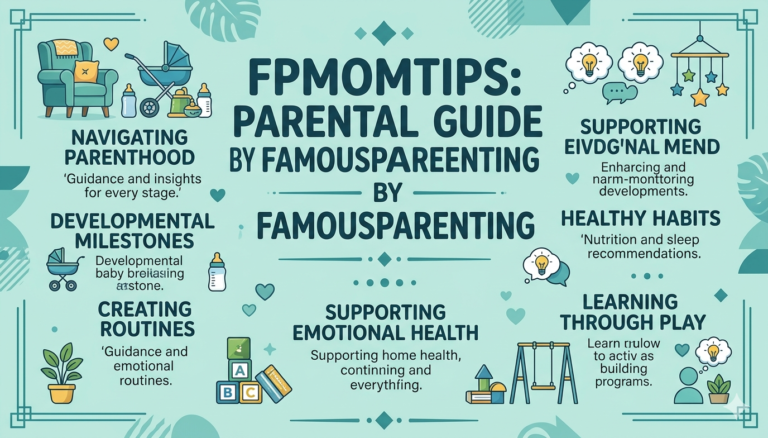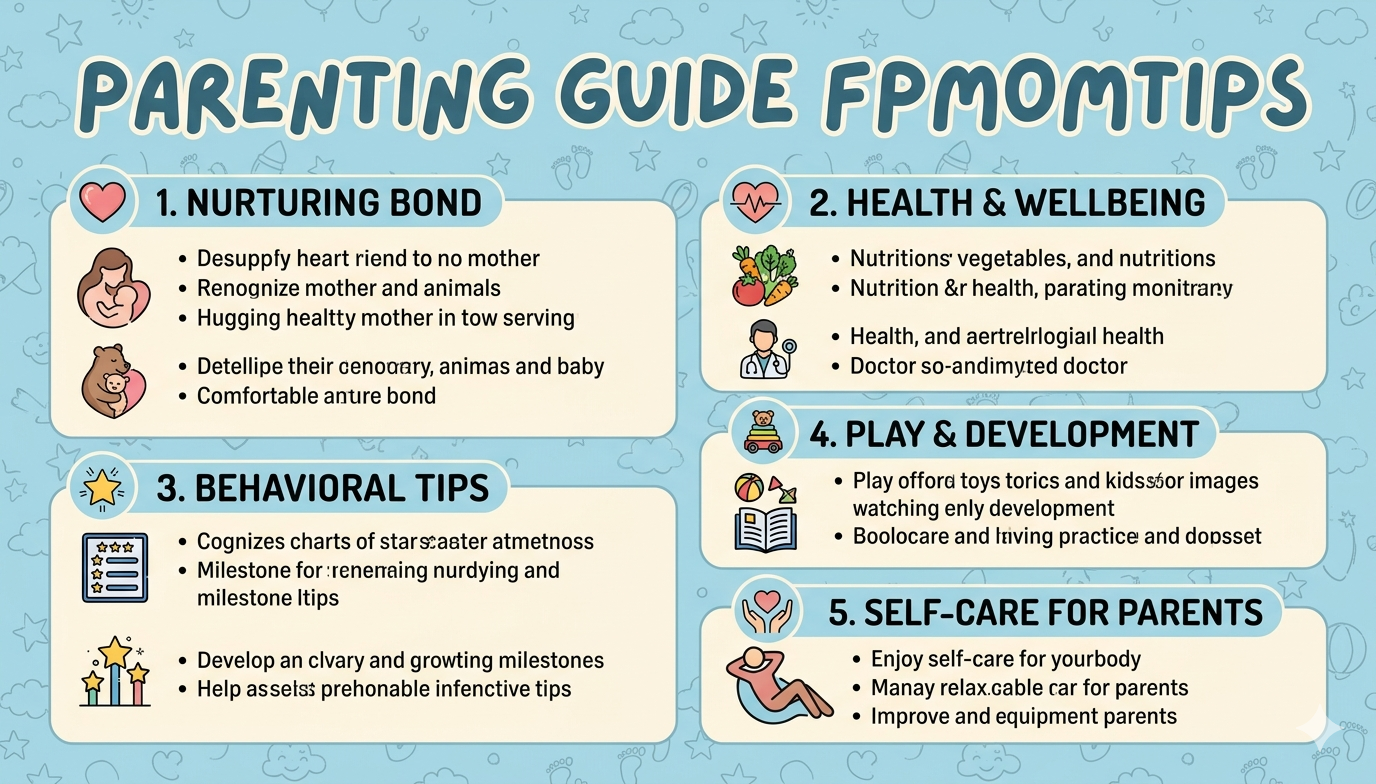
parenting guide fpmomtips – A Complete Modern Guide to Raising Confident and Resilient Children
Parenting in today’s fast-changing world is both a privilege and a challenge. Families are navigating new technologies, shifting social norms, evolving educational expectations, and increasing emotional pressures. In this environment, parents often look for clear, thoughtful direction that respects individuality while offering practical structure. A comprehensive parenting guide fpmomtips can serve as a steady companion, helping caregivers make informed decisions while remaining flexible and compassionate.
At its heart, parenting is about connection. Children thrive when they feel safe, understood, and supported. This sense of security does not come from perfection but from consistency and presence. Parents who are emotionally available and willing to learn alongside their children create homes where curiosity and confidence can flourish. A trusted parenting guide fpmomtips emphasizes these values, encouraging parents to focus on long-term emotional health rather than short-term control.
Understanding the Foundations of Parenting
Every child is born with a unique temperament, set of needs, and potential. Understanding this individuality is the first step toward effective parenting. Rather than forcing children into rigid molds, modern parenting encourages observation and adaptation. A thoughtful parenting guide fpmomtips highlights the importance of meeting children where they are developmentally, emotionally, and socially.
Parents benefit from learning about basic child development stages. Knowing what behaviors are typical at different ages can reduce frustration and unrealistic expectations. For example, toddlers test boundaries as part of learning independence, while teenagers seek autonomy as they shape their identities. When parents understand these phases, they respond with empathy instead of fear or anger.
Emotional Intelligence and Connection
One of the most valuable skills parents can nurture is emotional intelligence. Teaching children to recognize, name, and manage their feelings builds resilience that lasts a lifetime. A well-rounded parenting guide fpmomtips often focuses on emotional literacy, showing parents how to model healthy emotional expression through their own behavior.
Listening is a powerful parenting tool. When children feel heard, they are more likely to communicate openly about their struggles and successes. This does not mean agreeing with every feeling-driven request, but it does mean validating emotions before setting limits. Over time, this approach strengthens trust and reduces conflict.
Discipline as Guidance, Not Punishment
Discipline is frequently misunderstood as punishment, yet its true purpose is teaching. Effective discipline helps children learn self-control, responsibility, and respect for others. A compassionate parenting guide fpmomtips reframes discipline as guidance, focusing on natural consequences and problem-solving rather than fear.
Clear expectations and consistent boundaries provide children with a sense of safety. When rules are predictable and fair, children are more likely to internalize them. Calm, respectful correction also teaches children how to handle mistakes, showing that errors are opportunities for growth rather than shame.
Building Strong Family Values
Family values shape children’s understanding of the world. These values are expressed not only through words but through daily actions and decisions. A meaningful parenting guide fpmomtips encourages families to identify what matters most to them, whether it is kindness, honesty, perseverance, or community involvement.
Shared routines such as family meals, bedtime rituals, and weekly check-ins help reinforce these values. They create space for conversation and connection, allowing parents to pass on wisdom in natural, relatable ways. Over time, these small moments form the emotional backbone of family life.
Supporting Education and Curiosity
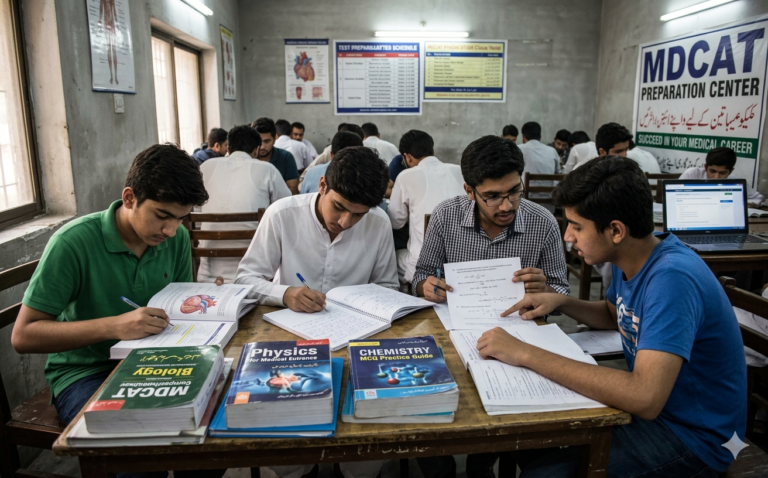
Learning extends far beyond the classroom. Parents play a crucial role in shaping attitudes toward education by fostering curiosity and a love of discovery. A balanced parenting guide fpmomtips suggests supporting children’s interests, encouraging questions, and celebrating effort rather than just results.
Rather than focusing solely on grades, parents can emphasize problem-solving skills, creativity, and persistence. When children see learning as an ongoing journey instead of a test of worth, they become more motivated and confident. This mindset prepares them for a future where adaptability is essential. fpmomtips parental advice from famousparenting
Digital Parenting in a Connected World
Technology has transformed childhood in profound ways. Screens offer educational opportunities and global connections, but they also present challenges related to attention, safety, and mental health. A realistic parenting guide fpmomtips helps parents strike a healthy balance, setting boundaries while teaching responsible digital behavior.
Open conversations about online experiences are vital. Children should feel comfortable discussing what they see and do online without fear of punishment. By guiding rather than controlling, parents help children develop critical thinking skills that protect them in digital spaces.
Encouraging Independence and Responsibility
As children grow, they need opportunities to practice independence. Allowing age-appropriate responsibility builds confidence and competence. A supportive parenting guide fpmomtips reminds parents that letting go gradually is an act of trust, not neglect.
Simple tasks like managing homework, helping with household chores, or making small decisions teach valuable life skills. When parents resist the urge to micromanage, children learn to take ownership of their actions and understand the consequences of their choices.
Nurturing Physical and Mental Well-Being
A child’s well-being is deeply connected to daily habits. Nutrition, sleep, physical activity, and emotional support all play essential roles. A holistic parenting guide fpmomtips encourages parents to view health as a balance rather than a checklist.
Modeling healthy behaviors is often more effective than enforcing rules. When parents prioritize self-care, children learn that well-being matters at every stage of life. This modeling also reduces stress within the household, creating a calmer and more supportive environment.
Parenting Through Challenges and Change
No family journey is free from challenges. Transitions such as moving, changing schools, or welcoming new family members can be stressful for children. A reliable parenting guide fpmomtips offers strategies for navigating change with empathy and clarity.
Honest communication is key during difficult times. Explaining changes in age-appropriate ways and acknowledging children’s feelings helps them adapt more smoothly. These experiences, though challenging, can strengthen family bonds when handled with care.
Cultural Context and Community Support
Parenting does not happen in isolation. Cultural values, community resources, and social expectations all influence family life. In places like the United Kingdom, parents may balance traditional practices with modern approaches, drawing from diverse perspectives to support their children.
A thoughtful parenting guide fpmomtips recognizes the importance of community, encouraging parents to seek support from friends, extended family, and local networks. Sharing experiences with others reduces isolation and provides reassurance that challenges are a normal part of parenting.
The Role of Self-Reflection in Parenting
Effective parenting begins with self-awareness. Reflecting on one’s own upbringing, beliefs, and emotional triggers helps parents respond more intentionally. A reflective parenting guide fpmomtips invites caregivers to grow alongside their children, embracing learning as a lifelong process.
Mistakes are inevitable, but they are also valuable teachers. Apologizing to children when necessary models accountability and respect. This openness fosters mutual understanding and shows children that growth comes from humility and effort.
Raising Resilient and Compassionate Children
Resilience is not about avoiding hardship but learning how to cope with it. Parents can nurture resilience by encouraging problem-solving, optimism, and perseverance. A forward-thinking parenting guide fpmomtips emphasizes the importance of allowing children to experience manageable challenges rather than shielding them from all discomfort.
Compassion grows when children see empathy in action. Acts of kindness, community involvement, and respectful communication teach children to value others’ experiences. These lessons prepare them to contribute positively to the world around them.
Preparing Children for the Future
The future is unpredictable, but certain skills will always be valuable. Critical thinking, emotional intelligence, adaptability, and ethical judgment are essential for success in any era. A comprehensive parenting guide fpmomtips focuses on cultivating these qualities rather than chasing fleeting trends.
Parents who encourage curiosity, integrity, and self-belief equip their children to navigate uncertainty with confidence. By emphasizing character alongside competence, families lay the groundwork for meaningful and fulfilling lives.

Conclusion: Parenting as a Shared Journey
Parenting is not a destination but an ongoing journey of growth, learning, and connection. Each stage brings new questions and opportunities, inviting parents to adapt and evolve. With patience, reflection, and support, families can create environments where children feel valued and empowered.
A well-considered parenting guide fpmomtips serves as a helpful reference, not a rigid rulebook. It reminds parents that love, consistency, and understanding are the true foundations of effective parenting. By embracing these principles, caregivers can guide their children toward resilience, compassion, and lifelong confidence.