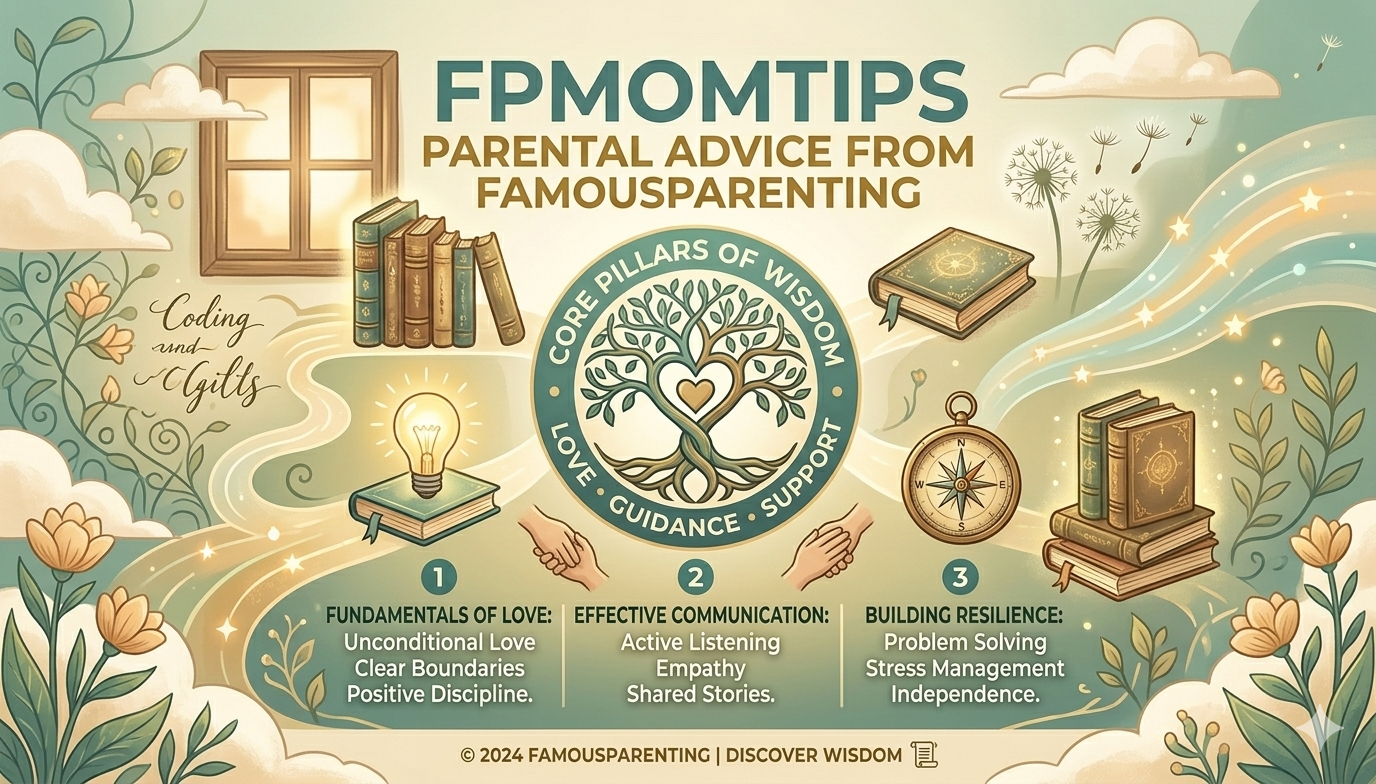
Fpmomtips Parental Advice from Famousparenting: Essential Guidance for Modern Parents
Parenting in today’s fast-paced world can be both rewarding and challenging. With constant changes in society, technology, and education, parents often seek reliable guidance to navigate their children’s upbringing effectively. fpmomtips parental advice from famousparenting has become an essential resource for parents across the United States who want credible and practical strategies for raising happy, confident, and well-rounded children.
In this article, we will explore the principles behind effective parenting, the key challenges parents face today, and practical tips that can help families thrive. From understanding emotional development to building a supportive home environment, every parent can benefit from structured advice that balances love, discipline, and flexibility.
Understanding Modern Parenting Challenges
Parenting is no longer a one-size-fits-all endeavor. Parents today face a variety of unique challenges, including balancing work and family life, managing screen time, addressing mental health, and navigating the complexities of social media. Children are growing up in an environment that is vastly different from previous generations, which requires a more adaptive and informed approach.
Many parents report feeling overwhelmed by conflicting advice from friends, family, and online resources. This is where fpmomtips parental advice from famousparenting becomes invaluable, offering evidence-based guidance that simplifies decision-making without compromising a child’s well-being.
Emotional Intelligence: The Core of Child Development
One of the most crucial aspects of parenting is nurturing emotional intelligence in children. Emotional intelligence involves recognizing and managing emotions, developing empathy, and forming healthy relationships. Parents can cultivate these skills by:
- Modeling Emotional Regulation: Children learn from observing their parents. Demonstrating calmness during stressful situations teaches children how to handle challenges constructively.
- Encouraging Open Communication: Create a safe space for children to express their feelings without fear of judgment. Listening actively helps children feel valued.
- Teaching Problem-Solving: Allow children to face age-appropriate challenges and guide them through problem-solving strategies, fostering resilience.
Research shows that children with higher emotional intelligence tend to perform better academically, form stronger friendships, and develop better coping mechanisms. By integrating fpmomtips parental advice from famousparenting, parents can implement daily practices that enhance emotional learning in a natural and engaging way.
Establishing Routines and Structure
Routines are the backbone of a child’s sense of security. Consistent daily schedules help children understand expectations, develop responsibility, and reduce anxiety. Effective routines include:
- Consistent Sleep Schedules: Adequate sleep is essential for physical and cognitive development.
- Regular Meal Times: Structured meal times promote healthy eating habits and family bonding.
- Homework and Study Time: Designate quiet hours for learning, balancing school demands with relaxation.
- Family Activities: Include recreational time to foster strong family connections.
Parents can tailor routines to meet the individual needs of their children while maintaining flexibility to accommodate special events or changes in schedules. fpmomtips parental advice from famousparenting often emphasizes the importance of consistency combined with adaptability to prevent unnecessary stress for both parents and children.
Positive Discipline Techniques
Discipline is not about punishment; it’s about teaching children appropriate behaviors and helping them understand consequences. Positive discipline techniques are highly effective and include:
- Natural Consequences: Allow children to experience the results of their actions safely, which encourages accountability.
- Reinforcement of Good Behavior: Praise and rewards motivate children to continue positive actions.
- Setting Clear Boundaries: Establish rules that are age-appropriate, fair, and consistently enforced.
- Time-Outs for Reflection: Short breaks can help children calm down and reflect on their behavior.
Using positive discipline strengthens trust and mutual respect between parents and children. Implementing these strategies alongside insights from fpmomtips parental advice from famousparenting ensures a balanced approach that encourages learning without fear.
Encouraging Healthy Communication
Communication is the foundation of any strong relationship, including the parent-child dynamic. Children should feel heard and understood while learning how to express themselves effectively. Key strategies include:
- Active Listening: Pay full attention to what your child is saying without interrupting.
- Open-Ended Questions: Encourage children to explain their thoughts and feelings in detail.
- Reflective Responses: Show understanding by paraphrasing what your child communicates.
- Emotion Labeling: Help children identify and articulate their emotions clearly.
When children learn healthy communication early, they develop confidence in social interactions and emotional resilience. Following guidance from fpmomtips parental advice from famousparenting can help parents create a culture of open dialogue in their homes.

Supporting Academic Success
Education is a major focus for parents, but academic support goes beyond homework help. It involves fostering curiosity, critical thinking, and a love for learning. Strategies include: parenting hacks fpmomtips
- Encouraging Reading: Regular reading improves language skills, cognitive development, and imagination.
- Creating a Learning-Friendly Environment: Designate a quiet, well-lit area for studying.
- Promoting Experiential Learning: Use real-world experiences, experiments, and educational games to enhance understanding.
- Recognizing Effort, Not Just Results: Celebrate perseverance and improvement, fostering intrinsic motivation.
By integrating these approaches with trusted parenting tips from fpmomtips parental advice from famousparenting, parents can provide holistic academic support that nurtures lifelong learners.
Navigating Technology and Screen Time
Technology plays a significant role in children’s lives today, making screen time management a critical aspect of parenting. Excessive screen use can negatively impact sleep, attention span, and social skills. Parents can manage technology by:
- Setting Screen Limits: Establish clear daily limits for recreational screen use.
- Encouraging Interactive Use: Promote educational games and creative content rather than passive consumption.
- Co-Viewing and Discussion: Watch programs or play games with your child and discuss the content.
- Modeling Healthy Habits: Children mirror parental behaviors; limit your own recreational screen time to set an example.
fpmomtips parental advice from famousparenting often emphasizes a balanced approach, teaching children to harness technology responsibly while maintaining real-world connections.
Promoting Physical Health
Physical well-being is as crucial as emotional and intellectual growth. Parents should encourage healthy habits that last a lifetime, including:
- Regular Exercise: Engage in outdoor play, sports, or family workouts to build strength and endurance.
- Balanced Nutrition: Offer a variety of fruits, vegetables, proteins, and whole grains while limiting processed foods.
- Routine Medical Care: Ensure vaccinations, dental check-ups, and regular doctor visits are up-to-date.
- Mind-Body Practices: Activities like yoga, meditation, or simple breathing exercises can support mental and physical health.
By prioritizing physical wellness and using advice from fpmomtips parental advice from famousparenting, parents create a strong foundation for their children’s overall development.
Fostering Social Skills and Friendships
Developing healthy social skills is key to a child’s long-term success and happiness. Parents can help by: how does inventory management software work, etsjavaapp release date
- Encouraging Playdates and Group Activities: Social interaction enhances communication, empathy, and cooperation.
- Role-Playing Scenarios: Practice polite greetings, conflict resolution, and sharing in a controlled setting.
- Promoting Team Activities: Sports, clubs, and collaborative projects teach teamwork and leadership.
- Teaching Emotional Boundaries: Help children understand respect for others’ feelings and personal space.
Incorporating guidance from fpmomtips parental advice from famousparenting ensures that children grow up socially competent and emotionally intelligent.
Understanding and Supporting Mental Health
Mental health is just as important as physical health. Early support can prevent issues and promote resilience. Parents should:
- Monitor Emotional Changes: Be attentive to mood swings, withdrawal, or sudden behavioral shifts.
- Normalize Conversations About Mental Health: Encourage children to express stress, anxiety, or sadness.
- Seek Professional Support When Needed: Therapists, counselors, and support groups can provide specialized care.
- Create a Supportive Home Environment: Stability, open communication, and empathy strengthen mental resilience.
Following practical strategies from fpmomtips parental advice from famousparenting helps parents navigate mental health challenges effectively and proactively.
Building a Strong Parent-Child Bond
The parent-child bond is the cornerstone of successful parenting. A strong bond promotes trust, security, and healthy development. Tips for strengthening this connection include:
- Quality Time: Dedicate time each day to engage with your child through conversation or shared activities.
- Physical Affection: Hugs, holding hands, and other forms of physical reassurance foster emotional security.
- Expressing Unconditional Love: Let your child know they are valued regardless of achievements or behavior.
- Shared Interests: Explore hobbies and activities together to create lasting memories.
By implementing advice from fpmomtips parental advice from famousparenting, parents can build strong, nurturing relationships that support children’s growth across all areas of life.
Encouraging Independence and Responsibility
Raising children who are independent and responsible is a central goal of parenting. Strategies include:
- Assigning Age-Appropriate Chores: Tasks like tidying up, meal prep, or caring for pets teach responsibility.
- Allowing Decision-Making: Let children make choices within safe limits to develop confidence and judgment.
- Encouraging Self-Reflection: Guide children to evaluate their actions and learn from mistakes.
- Promoting Problem-Solving Skills: Encourage creative thinking and autonomy in resolving challenges.
Incorporating these practices alongside fpmomtips parental advice from famousparenting ensures that children grow into capable and self-reliant individuals.

Conclusion
Parenting is an evolving journey filled with joys, challenges, and continuous learning. Modern parents in the United States can benefit greatly from structured, evidence-based guidance that balances love, discipline, and practical strategies. fpmomtips parental advice from famousparenting provides trusted insights across emotional development, discipline, communication, academic support, technology management, physical health, social skills, mental well-being, and fostering independence.
By applying these principles consistently, parents can raise children who are confident, resilient, empathetic, and prepared to navigate the complexities of modern life. Integrating professional guidance with personal intuition and family values creates a nurturing environment where children thrive and grow into well-rounded adults.
Parenting may not come with a manual, but with resources like fpmomtips parental advice from famousparenting, every parent can approach the journey with confidence, clarity, and purpose.